Meet Our Washington Pest Control Team in Seattle, Washington
Last Updated: 10/26/2026
Why We Built a Pest Control Crew for Washington Homes
We help Washington homeowners understand pest evidence and choose a practical next step. Wet winters, older homes, and damp crawl spaces can make prevention as important as treatment, especially when small openings or moisture keep attracting pests. We started this company to offer careful inspections and clear explanations before work begins.
No guesswork at the threshold. Homeowners call us about ants, rodents, and other household pests, and we match our recommendations to the pest, property, and conditions we find.
Our work is guided by applicable Washington State pesticide applicator licensing requirements; we also carry commercial general liability insurance and belong to a Washington State pest management trade association. We respect access to the home and keep follow-up clear and timely.
With 11 years serving Washington, we focus on explaining what the evidence means not asking customers to accept a treatment plan without context. Call (877) 729-2528 to talk through what you’re seeing.
Daniel Mercer’s Practical Approach to Local Pest Work
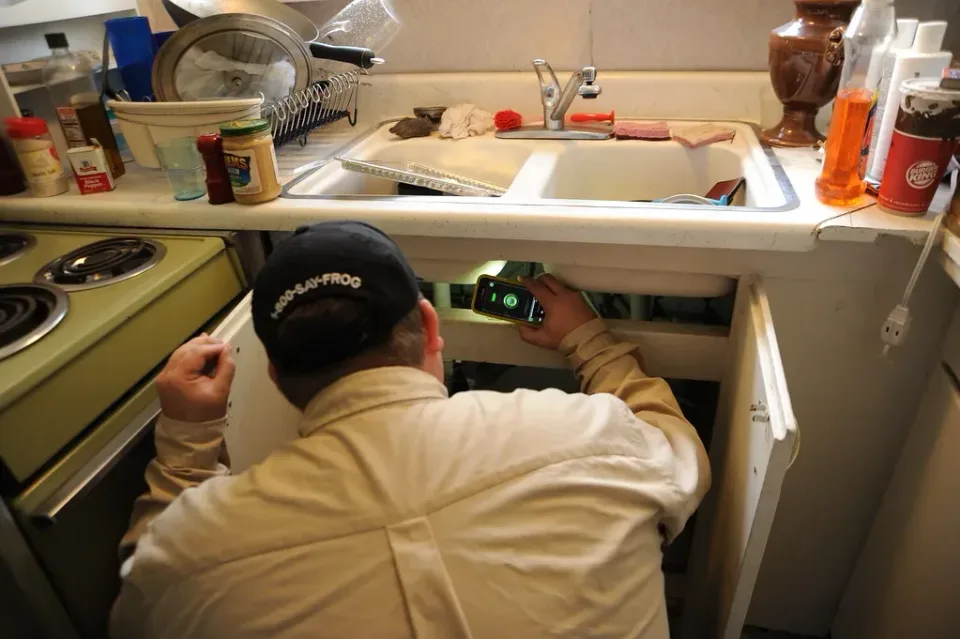
Daniel Mercer founded the company after starting in pest control in the Seattle area. He knows that wet winters, older construction, and damp crawl spaces can change what an inspection needs to uncover, so our crew looks for conditions that may be helping pests persist not just the insects or signs in plain view.
The detail people often miss is where a pest is entering. We check likely routes and activity areas, then explain what we found and outline a treatment plan suited to the home and the pest.
Our team coordinates inspections and treatments from its Seattle base, scheduling routes across Washington’s regional markets. We share straightforward steps customers can take between visits and keep follow-up clear.
Applicable work follows Washington State pesticide licensing requirements. If a visit requires access to a crawl space, cabinet, or other area, we discuss that with the customer rather than treating access as an afterthought. We aim for clear plans and practical options; call us with a question about a pest concern.
Pest Signs That Deserve a Closer Look
Repeated pest signs can point to an entry route or condition worth checking. A single sighting may not explain the source, so note where and when activity appears; that context helps us inspect the right places.
- Ants trailing across kitchen counters: A steady trail can lead back to a food source or entry point, so wiping away the visible ants may not resolve the activity.
- Carpenter ant frass beneath window trim: Sawdust-like debris can indicate nearby ant activity; the trim and surrounding area need a closer look.
- Mouse droppings inside pantry cabinets: Droppings show that rodents have reached stored food areas, where cleanup and access points both matter.
- Scratching sounds above a bedroom ceiling: Repeated sounds may mean an animal is moving through a ceiling void, but the source should be identified before choosing a response.
- Cockroaches appearing near bathroom drains: Recurring sightings call for checking nearby damp areas and possible harborages, not just treating the spot where one appeared.
If you’re seeing a pattern, write down the location and timing before calling. That simple detail can help focus an inspection.
We Inspect First, Then Choose a Treatment Plan
We base pest recommendations on inspection findings, the property, and the conditions present. We explain the evidence before treatment, identify likely access or activity areas, and discuss practical options with the customer. Matching the method to the pest matters; a product or placement suited to one problem may be wrong for another.
Labels set the limits. For pesticide work, we follow applicable licensing requirements and EPA product-label directions, including directions for application and disposal.
Washington pesticide use is also governed by state requirements, including the Washington Pesticide Control Act (RCW 15.58), the Washington Pesticide Application Act (RCW 17.21), and WAC 16-228. The Washington State Department of Agriculture oversees pesticide applicator licensing and pesticide-use rules; the EPA establishes federal pesticide label requirements.
A damp crawl space can change where pests shelter, so an out-of-town contractor who checks only dry, visible rooms may miss relevant conditions. We respect home access, explain what we find, and keep follow-up clear. Ask us about an inspection if pest signs keep returning.
Tell Us What You’re Seeing at Home
If pest activity keeps returning or you’re unsure what the signs mean call Washington Pest Solutions at (877) 729-2528 or email info@washingtonpestsolutions.top. We’ll listen, explain how an inspection can help, and discuss a practical next step without pressure.
11+
Years serving Seattle, WA
19
Areas served
Why customers in Seattle, WA call Washington Pest Solutions
Local service area
We schedule work in Seattle, WA and nearby communities, so you talk to people who know the area.
Scope agreed first
We confirm what the job includes before work begins, so the quote matches the visit.
Clear scheduling
You get a confirmed time and a direct number to call if your plans change.
Meet Your Local Experts

Daniel Mercer Lead Expert
Washington Pest Solutions
"Clear Plans for Washington Pest Control"
I started in pest control in the Seattle area, where wet winters, older homes, and damp crawl spaces make prevention as important as treatment. I built this company to give Washington homeowners clear inspections and practical options, with work guided by state pesticide licensing requirements.
Get a General Pest Control Quote in Seattle, WA
Share job details below or call our team directly. Phone: (877) 729-2528